Paul Hansen · 1 September 2026
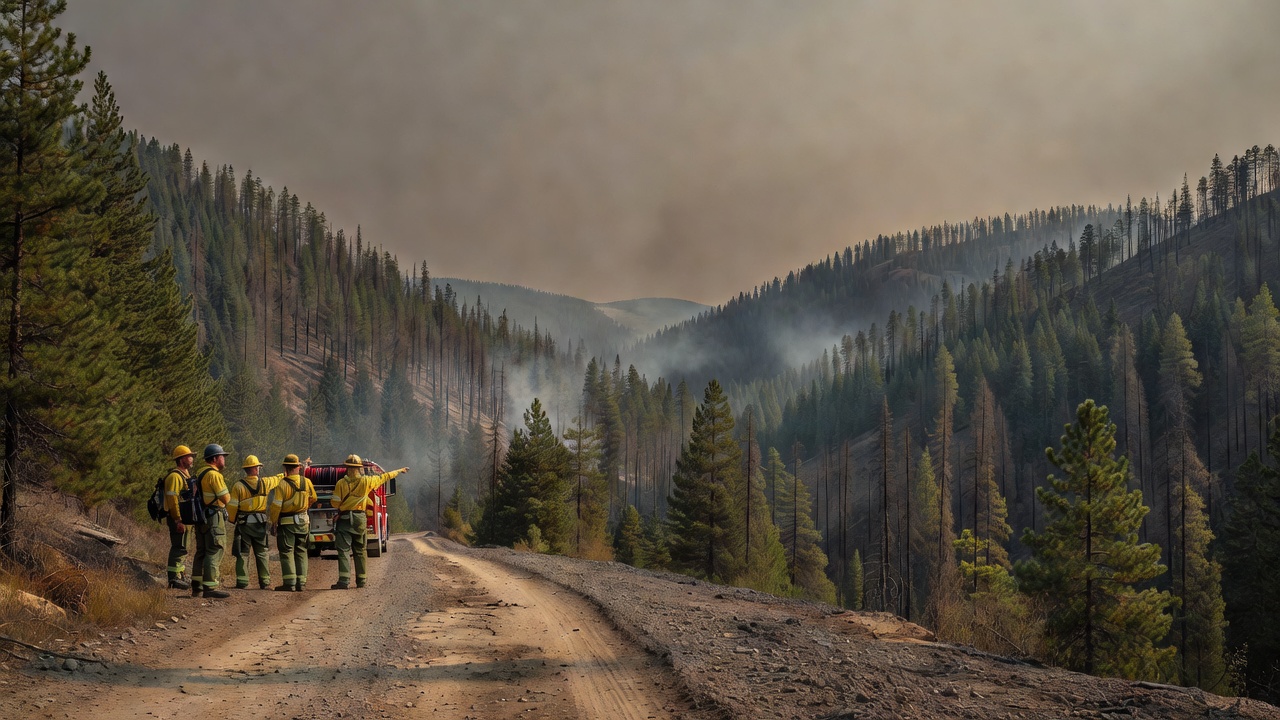
Wildfire risks are escalating in Forsttal Forest Valley as summer brings prolonged dry spells and elevated temperatures. Local forestry officials report that vegetation has become highly flammable, raising concerns for both the dense woodlands and nearby communities. Historical data shows that July and August account for the majority of fire incidents in the region, driven by low humidity and strong winds.
Key Factors Driving the Risks
Drought conditions have persisted since spring, reducing soil moisture levels to record lows. Pine and spruce trees, which dominate the valley, release resins that ignite easily under heat stress. Human activities such as hiking and camping contribute to ignition sources, while lightning strikes during occasional thunderstorms add natural triggers. Climate patterns indicate warmer summers are becoming more frequent, extending the fire season by several weeks compared to previous decades.
Monitoring stations across Forsttal have detected increased fuel loads from fallen branches and undergrowth. Without regular rainfall, these materials dry rapidly, creating continuous pathways for flames to spread. Emergency services note that response times can be challenged by narrow forest roads and limited water access points in remote areas.
Preparedness and Mitigation Efforts
Authorities have implemented controlled burns in buffer zones to reduce fuel accumulation. Firebreaks are being widened along popular trails, and signage warns visitors against open flames. Drones equipped with thermal cameras now patrol high-risk zones daily, providing real-time alerts to the central command center. Residents are advised to clear vegetation within 30 meters of structures and maintain emergency water supplies.
Community workshops focus on evacuation routes and smoke inhalation protection. Collaboration with neighboring districts ensures shared resources during peak danger periods. Officials emphasize that early detection remains the most effective tool, supported by satellite imagery and ground sensors. Continued vigilance is essential to protect the valley's ecosystem and prevent property damage as summer progresses.