Freya Butler · 4 November 2026
Student Workshops at Woodland Edges Teach Balanced Timber Techniques
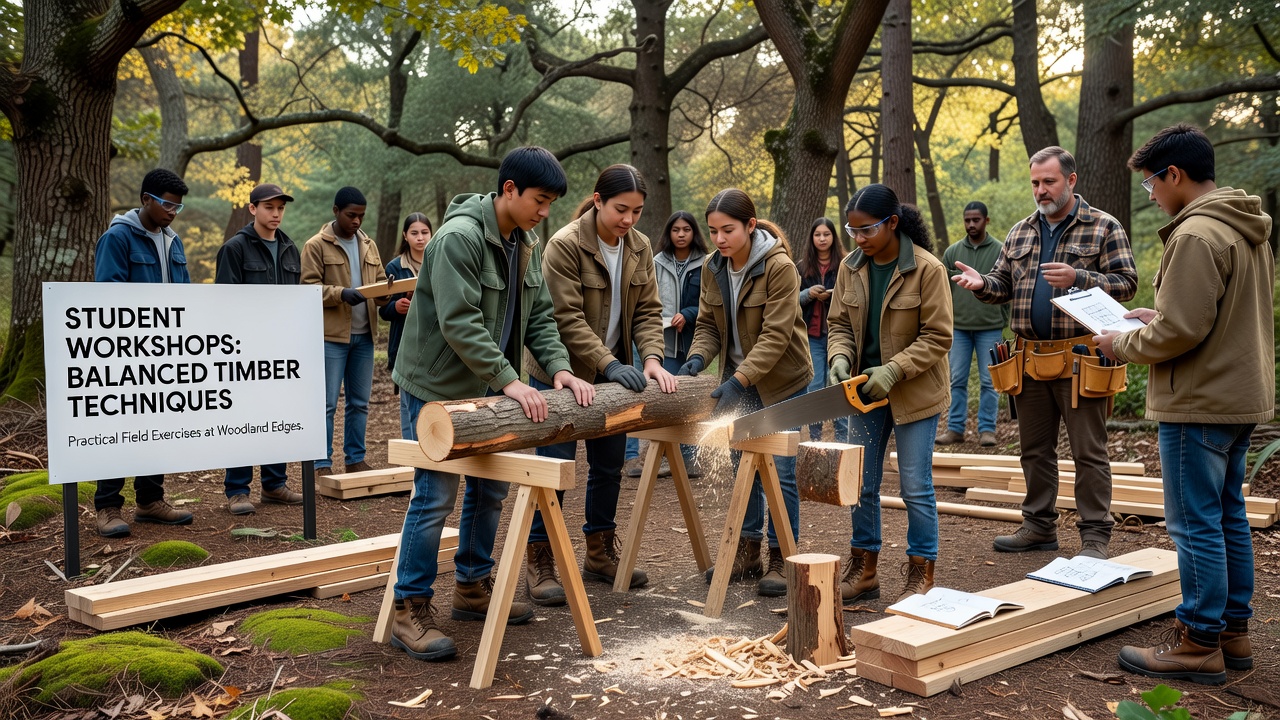
Programs across forest valley regions have expanded hands-on workshops that place students at woodland edges to practice selective timber management, and these sessions combine classroom concepts with direct fieldwork in areas where forest meets open land. Participants learn to identify mature trees for harvest while leaving seed sources and habitat structures intact, and instructors demonstrate how edge zones support higher biodiversity when cutting follows measured guidelines rather than clear-felling approaches.
Workshop Design and Participant Groups
Schools and forestry education centers coordinate these events for secondary students and early undergraduates, typically in groups of twelve to fifteen, and sessions run from early morning equipment checks through late afternoon data recording. Local foresters lead the exercises while ecologists provide input on soil stability and wildlife corridors, and each workshop series lasts three to five days depending on weather and site conditions. November 2026 schedules list multiple dates in the Forest Valley area, with registrations opening through regional education portals.
Training covers basic mensuration tools such as diameter tapes and clinometers, and students practice marking stems according to spacing rules that maintain canopy continuity. Edge-specific techniques receive extra attention because transition zones experience different light levels and wind exposure compared with interior forest, and instructors show how these factors influence regeneration patterns after limited harvesting.
Field Exercises and Equipment Use
Practical segments begin with boundary mapping along the woodland edge, where teams establish transects and record existing tree diameters, heights, and species composition. Students then apply thinning prescriptions that remove a calculated percentage of basal area, and each cut receives documentation for later review. Safety briefings cover chainsaw handling, directional felling, and escape routes, while supervisors monitor every operation.
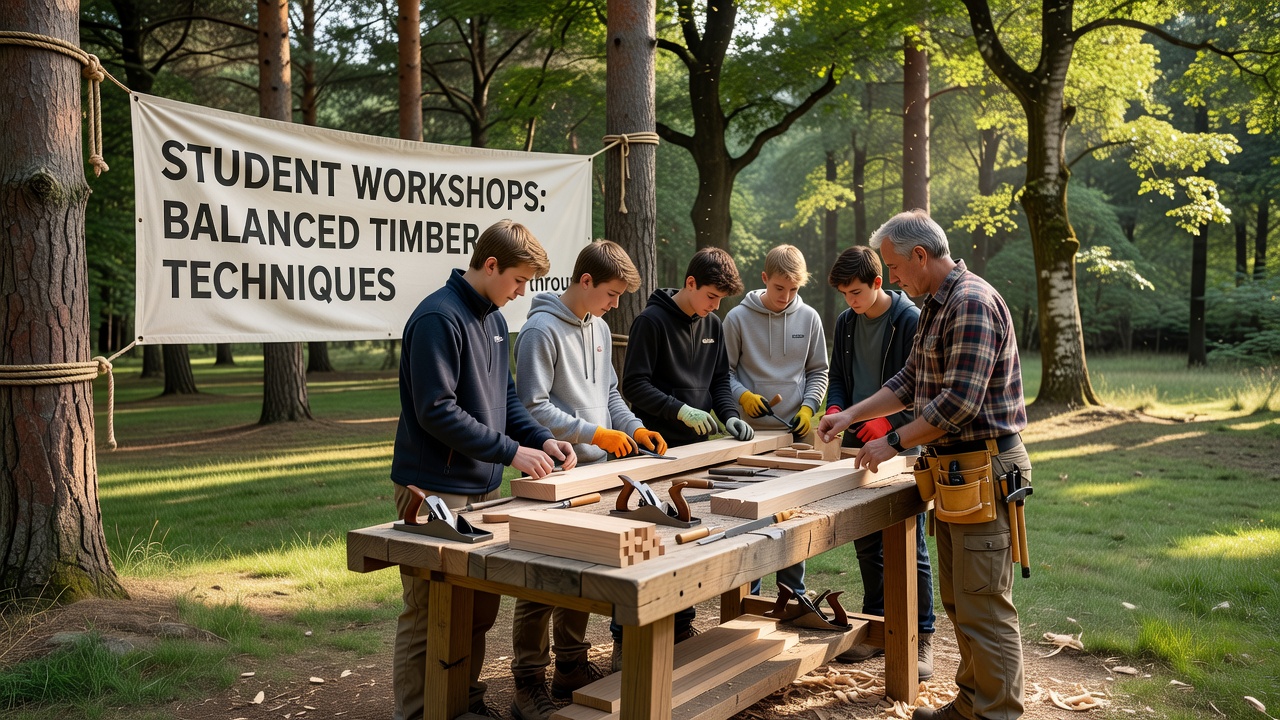
Post-harvest assessments require participants to measure slash distribution, check for damage to residual stems, and note any changes in light penetration at ground level. Data collected during these steps feed into simple spreadsheets that calculate harvest volume against growth projections, and instructors compare student results with long-term monitoring plots maintained by regional agencies. One study from the USDA Forest Service on edge management practices shows that properly spaced thinnings can increase understory diversity without reducing overall stand productivity.
Skill Development and Safety Protocols
Participants gain experience with both manual and mechanized tools suited to small-scale operations, and instructors emphasize maintenance routines that extend equipment life while reducing soil compaction. Sessions also introduce basic business calculations, including stumpage value estimates and transport cost modeling, so students understand the economic side of sustainable practices. European Forest Institute reports on similar training indicate that early exposure to these methods correlates with higher adoption rates of low-impact harvesting among future land managers.
Weather contingencies form part of every plan, and instructors shift indoor modules on forest policy or tree physiology into the schedule when rain interrupts fieldwork. Evening reviews allow teams to present findings and receive feedback, and accumulated records contribute to a shared database used by participating schools for longitudinal analysis. November 2026 workshops will incorporate updated climate data layers that show how edge conditions may shift under projected temperature ranges.
Ecological Monitoring and Long-Term Tracking
Workshop sites serve as living laboratories where repeated visits document changes in regeneration, invasive species presence, and bird activity. Students learn to install simple camera traps and vegetation quadrats, and results feed into reports that local conservation groups review. Observers note that edge-focused harvesting often creates microhabitats favored by certain pollinators and small mammals when canopy gaps remain modest and slash is left in irregular piles.
Coordination with nearby research stations supplies reference data, and students compare their measurements against multi-year records collected by professional crews. These comparisons help illustrate variability caused by soil type, slope aspect, and prior land use. Programs in different regions adapt the same core exercises to local species and regulations, which allows cross-site learning through shared online platforms.
Conclusion
Workshops that place students at woodland edges deliver measurable exposure to balanced timber techniques through repeated field practice and data collection. Schedules for November 2026 continue this approach, and participating institutions track outcomes through standardized metrics on harvest accuracy, safety compliance, and ecological indicators. The combination of practical exercises with supporting analysis equips young participants with skills that align harvesting goals with forest resilience objectives across varied terrain.