Freya Butler · 23 September 2026
Ancient Kiln Locations Offer Clues to Current Forest Temperature Changes
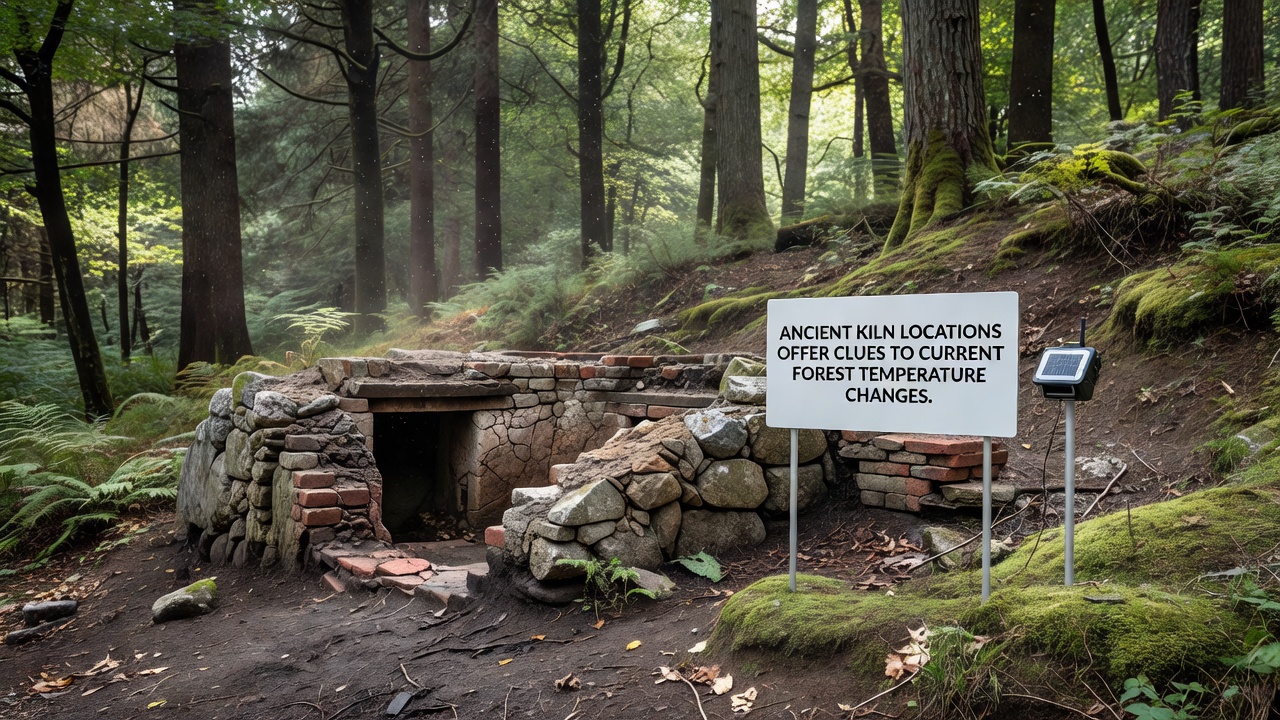
Archaeologists and climate researchers have turned to ancient kiln sites scattered across forested regions as reliable markers for tracking long-term temperature shifts in woodland ecosystems, and these locations provide physical evidence of past vegetation patterns that align with modern monitoring data.
Many kiln structures date back centuries, with some constructed as early as the medieval period for lime production or charcoal manufacturing, and soil samples extracted from these sites contain charcoal fragments whose species composition reflects the tree types that grew under specific temperature regimes at the time of operation.
Mapping Historical Forest Conditions Through Kiln Evidence
Researchers analyze growth rings preserved in charcoal remains alongside chemical signatures in surrounding soils to reconstruct temperature profiles, and this approach reveals how forests responded to warmer or cooler periods without relying solely on tree-ring data from living specimens.
Studies conducted in European woodlands show that kiln sites often cluster in areas where historical temperatures supported particular hardwood species, whereas current surveys indicate shifts toward more heat-tolerant varieties in the same locations, and data collected through September 2026 continues to confirm these patterns across multiple sites.
Geographic information systems integrate kiln coordinates with satellite temperature records, which allows scientists to compare baseline conditions from centuries ago against present-day readings, and this integration highlights localized warming trends that exceed regional averages in certain valleys and slopes.
Integration With Contemporary Climate Monitoring
Forest management agencies now incorporate kiln location data into their temperature modeling tools, and the method supplements direct sensor measurements by offering context from pre-industrial eras when human activity had already begun altering woodland compositions.
According to U.S. Forest Service research reports, kiln-derived temperature proxies have helped validate projections for mid-latitude forests under continued warming scenarios, while similar work by Canadian federal scientists links these ancient markers to observed changes in boreal transition zones.
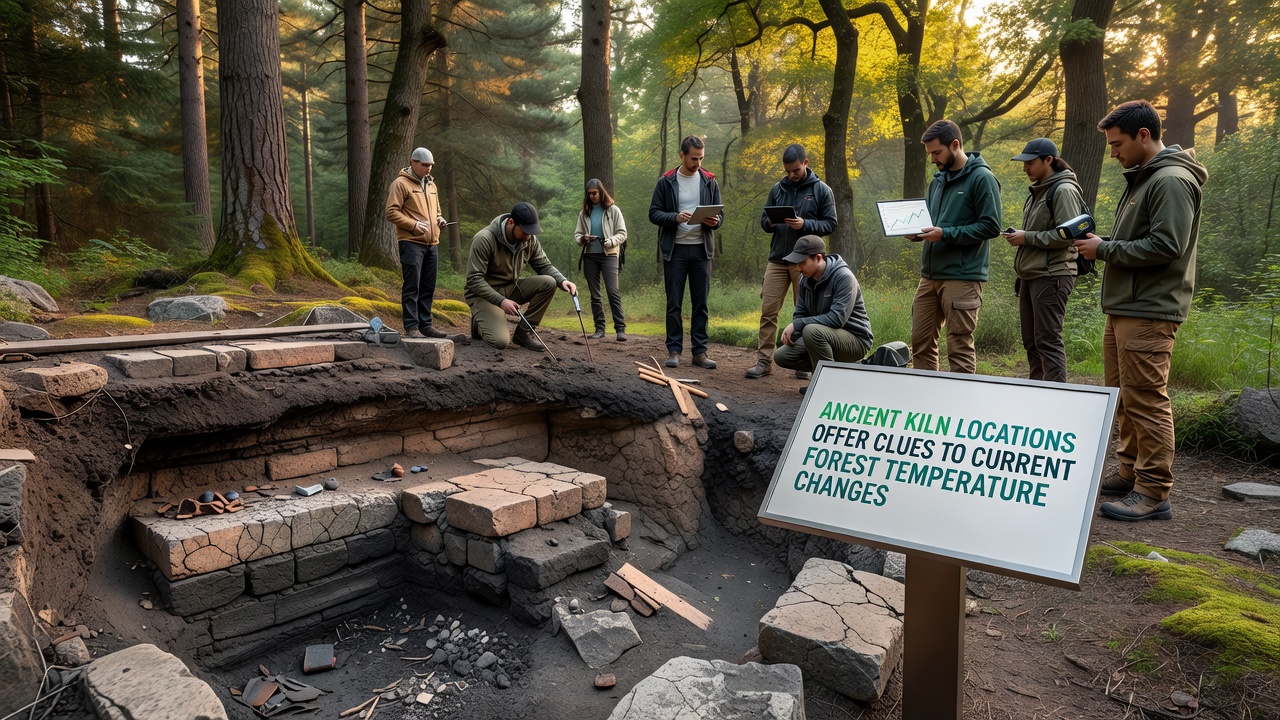
Field teams collect samples at regular intervals around identified kiln foundations, and laboratory analysis then determines past fire temperatures inside the kilns alongside ambient forest conditions, which together produce a dual record of both industrial practices and environmental states.
One study revealed that kiln sites in regions experiencing accelerated warming now host understory plants typical of conditions several degrees warmer than those inferred from the charcoal record, and observers note this mismatch signals ongoing ecological transitions rather than stable recovery.
Broader Applications and Data Correlations
International collaborations have expanded the dataset by cross-referencing kiln findings with pollen records and lake sediment cores, and the combined evidence strengthens correlations between historical temperature fluctuations and current forest health indicators such as canopy density and soil moisture retention.
Reports from the Australian Department of Climate Change, Energy, the Environment and Water illustrate how similar kiln-based reconstructions in southern temperate forests align with temperature increases recorded since the mid-20th century, offering a template for other continents facing comparable shifts.
Seasonal data updates through September 2026 have refined these models further by incorporating recent heat events that affected kiln-adjacent tree stands, and the resulting adjustments improve forecasts for future vegetation changes under varying emission pathways.
Conclusion
Ancient kiln locations continue to serve as fixed reference points that connect archaeological records with real-time forest temperature monitoring, and ongoing fieldwork plus laboratory refinements ensure these clues remain relevant for understanding how woodlands have adapted and continue to respond to climate variations across different geographic zones.